Journal · Mind, Body & Soul
‘Save this’ lists went viral. Here’s what the science says
‘Save this’ carousels hook us because a list opens a gap we itch to close. The film and this chapter test the loudest claims against real studies, then leave you with one small step to take today.
'Save this' lists, prompt packs and 'comment LINK' carousels are everywhere. Pages such as @gptprompts.ai ride that trend. Why do we save them — and what does the research actually say once the swipe is over?
This chapter of The Science of Human Flourishing is the written companion to the film What's going viral — and what science actually says. Watch it on YouTube: https://youtu.be/33ySMFdX8hY
The studies and the practice are below.
This is education, not personal medical advice, and it is not a treatment or a cure. If you are struggling, please speak to a GP or a qualified professional. In the UK, Samaritans are free, day or night, on 116 123: https://www.samaritans.org
Key ideas
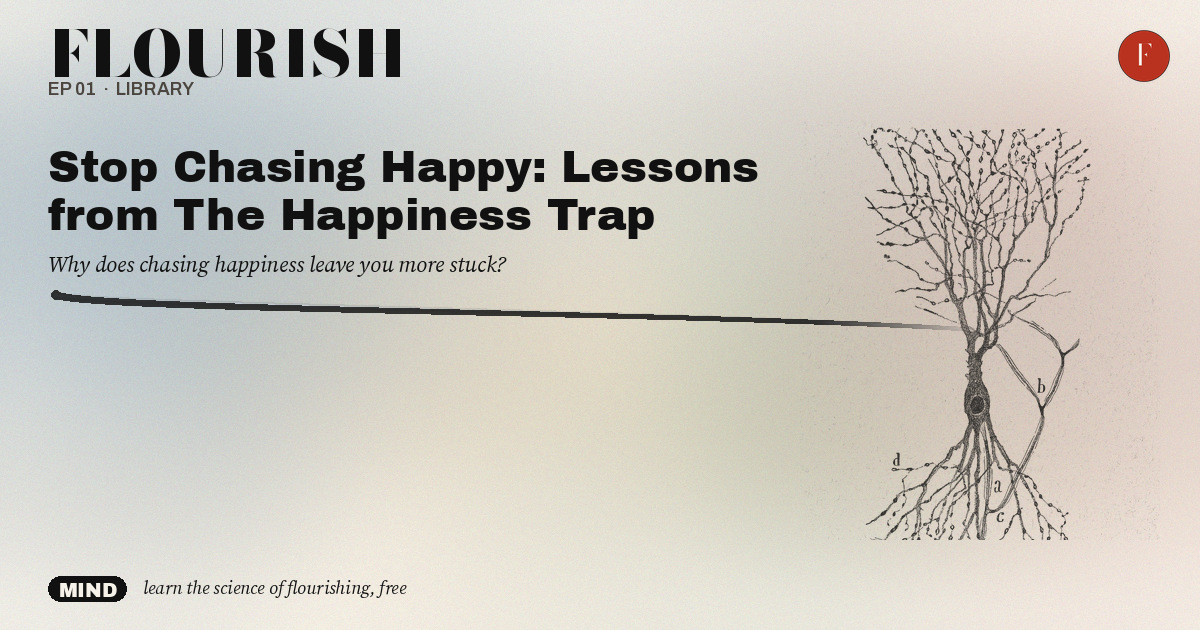
- Saving scratches an itch; it is not the same as doing. A list promises to fill a gap in what you know. Closing the gap feels like progress. Acting on one saved item is the step that counts.
- Mind. Fewer people notice you than you think. Habits form through repeats in the same context, slowly — anywhere from 18 to 254 days in one real-world study, not a neat 21. Rosy fantasies about the future predicted less effort; a simple if-then plan helps you follow through.
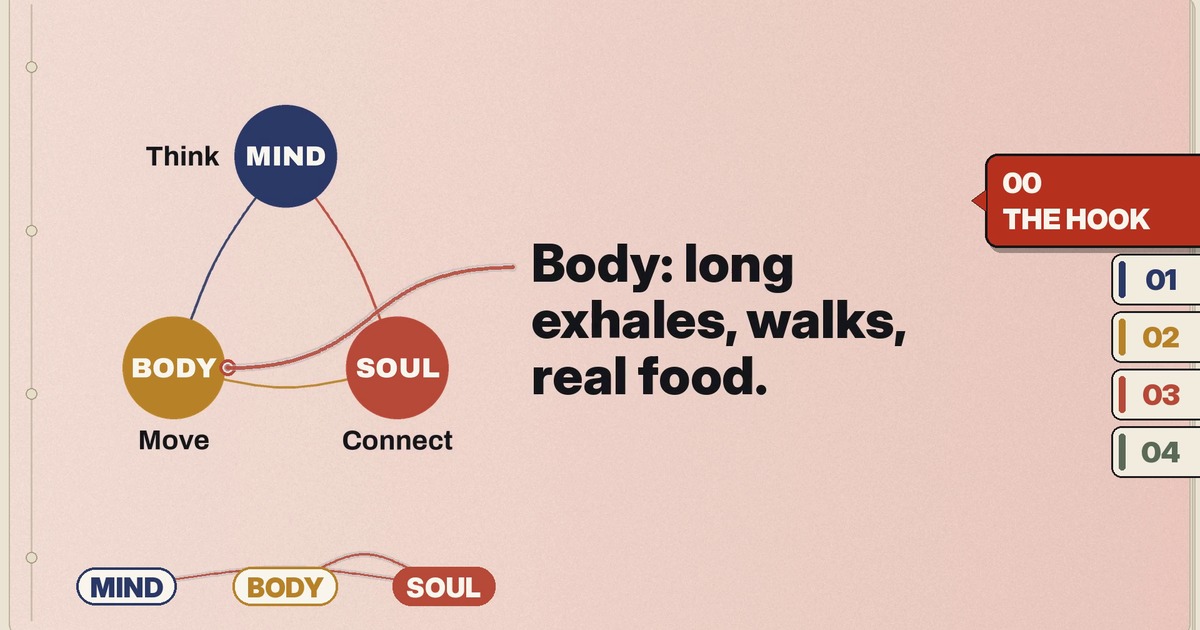
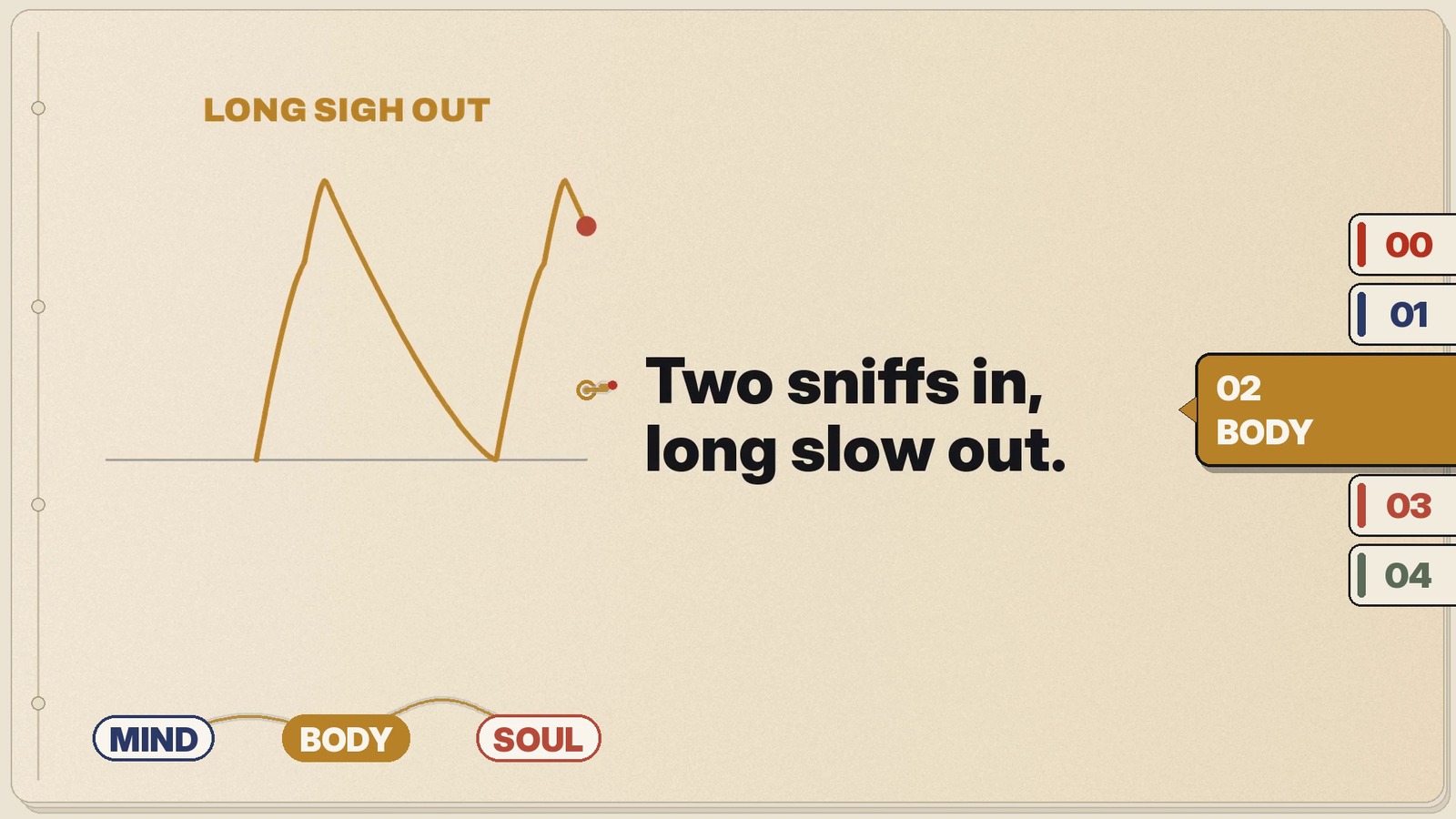
- Body. A cyclic sigh (two inhales, one long exhale) lifted mood in a month-long trial — early evidence, easy to try for five minutes. Walking, yoga and strength work all helped mood in a large review; 30–60 minutes of strength work a week was linked to living longer (observational). A Mediterranean-style pattern, not one 'longevity' food, cut heart events by about 30% in a large trial.
- Soul. Meditation helps modestly, and not more than exercise or therapy in the trials we have. Love grows in small moments: when someone shares good news, answer with real interest — 'tell me more'.
- Myths to leave behind. Manifestation as 'reprogramming for abundance' is not supported; the evidence points the other way. There is no single perfect longevity food.
The evidence
Every DOI below was resolved on the Crossref API on 19 November 2026. Sources are from the open scholarly APIs only (Crossref, OpenAlex, Semantic Scholar, PubMed).
Why the lists hook us — MIND. Loewenstein, 1994, Psychological Bulletin, https://doi.org/10.1037/0033-2909.116.1.75 — curiosity is an information gap we feel driven to close. Storm & Stone, 2015, Psychological Science, https://doi.org/10.1177/0956797614559285 — saving a file can free memory for the next task in lab studies: saving offloads, it does not teach. Caveat: those were laboratory memory tasks, not social feeds.
Fewer people notice you than you think — MIND. Gilovich, Medvec & Savitsky, 2000, Journal of Personality and Social Psychology, https://doi.org/10.1037/0022-3514.78.2.211 — people wearing an embarrassing T-shirt overestimated how many others in the room would notice it.
Habits take longer than 21 days — MIND. Lally et al., 2010, European Journal of Social Psychology, https://doi.org/10.1002/ejsp.674 — 96 volunteers; reaching near-automatic took anywhere from 18 to 254 days. Missing one day did not derail it. Caveat: self-rated habits in a modest sample.
Manifestation predicted less effort — MIND. Oettingen & Mayer, 2002, Journal of Personality and Social Psychology, https://doi.org/10.1037/0022-3514.83.5.1198 — positive fantasies about a goal predicted less effort and worse outcomes. Gollwitzer & Sheeran, 2006, Advances in Experimental Social Psychology, https://doi.org/10.1016/S0065-2601(06)38002-1 — if-then plans help people follow through.
The cyclic sigh — BODY. Balban et al., 2023, Cell Reports Medicine, https://doi.org/10.1016/j.xcrm.2022.100895 — a remote randomised trial: five minutes a day for a month. Exhale-focused cyclic sighing improved mood and lowered breathing rate more than mindfulness meditation. One trial; effects modest.
Movement and mood — BODY. Noetel et al., 2024, BMJ, https://doi.org/10.1136/bmj-2023-075847 — 218 trials, 14,170 people with depression. Walking or jogging, yoga and strength training all moderately reduced symptoms. Momma et al., 2022, British Journal of Sports Medicine, https://doi.org/10.1136/bjsports-2021-105061 — about 30–60 minutes a week of muscle-strengthening was linked to 10–20% lower risk of death (observational: a link, not proof).
Not one superfood: a pattern — BODY. Estruch et al., 2018, New England Journal of Medicine, https://doi.org/10.1056/NEJMoa1800389 — PREDIMED, re-analysed and republished: a Mediterranean diet with extra-virgin olive oil or nuts gave about 30% fewer major cardiovascular events versus a low-fat control diet, in older Spanish adults at high cardiovascular risk.
Meditation helps a little — SOUL. Goyal et al., 2014, JAMA Internal Medicine, https://doi.org/10.1001/jamainternmed.2013.13018 — 47 trials, 3,515 people. Mindfulness programmes gave moderate evidence for improved anxiety, depression and pain. They were not better than exercise or therapy, and there was little clear effect on attention or positive mood.
Love lives in small moments — SOUL. Gable et al., 2004, Journal of Personality and Social Psychology, https://doi.org/10.1037/0022-3514.87.2.228 — partners who respond actively and constructively to good news build more closeness. Holt-Lunstad, Smith & Layton, 2010, PLOS Medicine, https://doi.org/10.1371/journal.pmed.1000316 — 148 observational studies: stronger social relationships went with about 50% higher odds of survival.
Writing it down — MIND. Frattaroli, 2006, Psychological Bulletin, https://doi.org/10.1037/0033-2909.132.6.823 — experimental disclosure has a small positive effect. Writing helps a little.
The takeaway
Save less. Do one thing today.
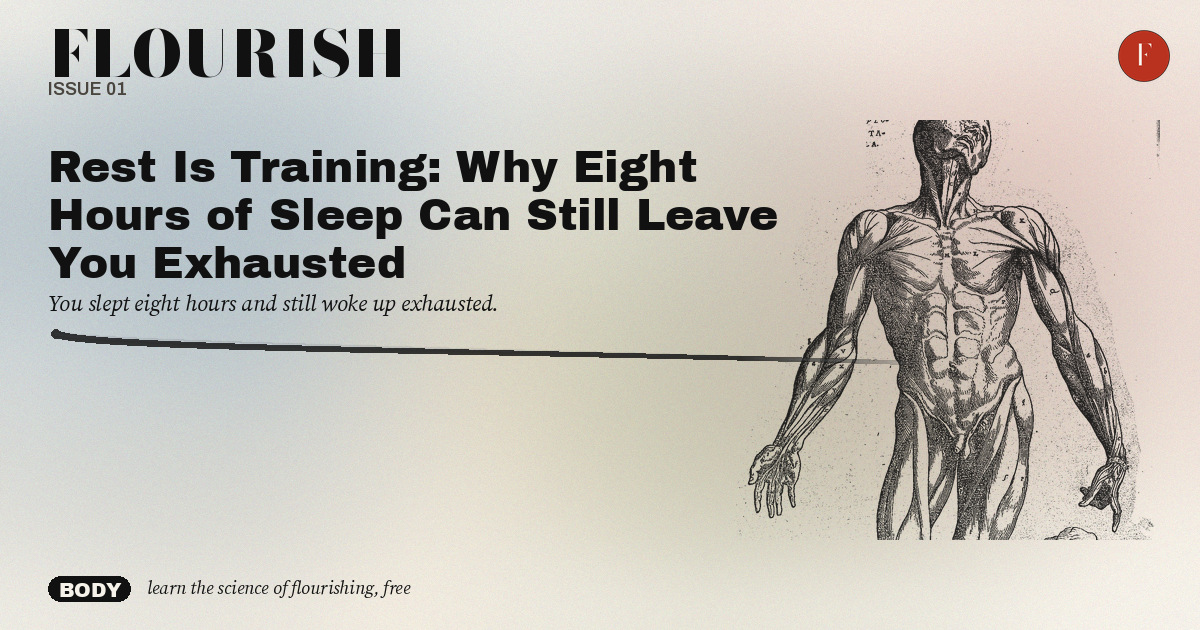
- Rest is training: five minutes of cyclic sighing (two inhales through the nose, one long slow exhale).
- Thoughts aren't you: if you feel watched, halve your guess of who will notice, then do the thing anyway.
- Practise with purpose: one if-then plan ('If X happens, I will do Y').
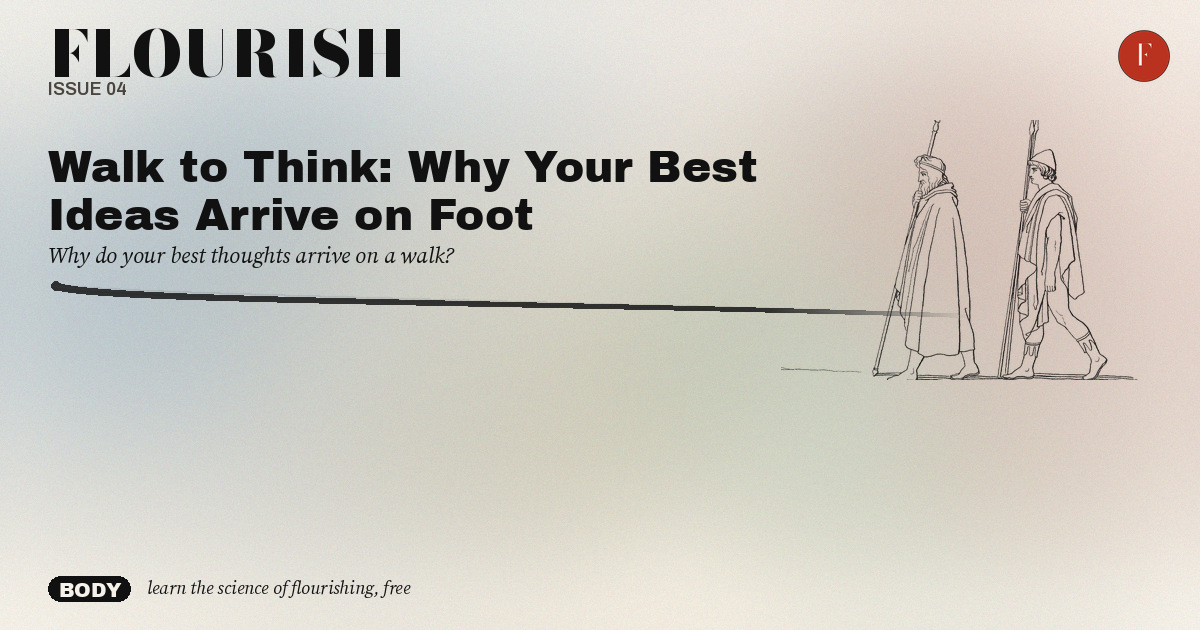
- Walk to think: ten brisk minutes, and keep two short strength sessions in the week.
- Write it down: tonight, note one piece of good news you heard — and tomorrow, when someone shares good news, look up and say 'tell me more'.
That is kaizen: one small step at a time.
Free tools
- The Flourishing Toolkit (PDF) — one practice each for mind, body and soul, each tied to a cited study.
- NHS Every Mind Matters — free official guides on mood, sleep and worry. Checked 19 November 2026.
- NHS: benefits of exercise — free official overview of how movement supports health. Checked 19 November 2026.
- Research page — sources used in the films and journal, with limitations noted.
Sources
Loewenstein, G. (1994). The psychology of curiosity. Psychological Bulletin. https://doi.org/10.1037/0033-2909.116.1.75
Storm, B. C., & Stone, S. M. (2015). Saving-enhanced memory. Psychological Science. https://doi.org/10.1177/0956797614559285
Gilovich, T., Medvec, V. H., & Savitsky, K. (2000). The spotlight effect in social judgment. Journal of Personality and Social Psychology. https://doi.org/10.1037/0022-3514.78.2.211
Lally, P., van Jaarsveld, C. H. M., Potts, H. W. W., & Wardle, J. (2010). How are habits formed: Modelling habit formation in the real world. European Journal of Social Psychology. https://doi.org/10.1002/ejsp.674
Oettingen, G., & Mayer, D. (2002). The motivating function of thinking about the future. Journal of Personality and Social Psychology. https://doi.org/10.1037/0022-3514.83.5.1198
Gollwitzer, P. M., & Sheeran, P. (2006). Implementation intentions and goal achievement. Advances in Experimental Social Psychology. https://doi.org/10.1016/S0065-2601(06)38002-1
Balban, M. Y., et al. (2023). Brief structured respiration practices enhance mood and reduce physiological arousal. Cell Reports Medicine. https://doi.org/10.1016/j.xcrm.2022.100895
Noetel, M., et al. (2024). Effect of exercise for depression: systematic review and network meta-analysis of randomised controlled trials. BMJ. https://doi.org/10.1136/bmj-2023-075847
Momma, H., et al. (2022). Muscle-strengthening activities are associated with lower risk and mortality. British Journal of Sports Medicine. https://doi.org/10.1136/bjsports-2021-105061
Estruch, R., et al. (2018). Primary prevention of cardiovascular disease with a Mediterranean diet. New England Journal of Medicine. https://doi.org/10.1056/NEJMoa1800389
Goyal, M., et al. (2014). Meditation programs for psychological stress and well-being. JAMA Internal Medicine. https://doi.org/10.1001/jamainternmed.2013.13018
Gable, S. L., Reis, H. T., Impett, E. A., & Asher, E. R. (2004). What do you do when things go right? Journal of Personality and Social Psychology. https://doi.org/10.1037/0022-3514.87.2.228
Holt-Lunstad, J., Smith, T. B., & Layton, J. B. (2010). Social relationships and mortality risk. PLOS Medicine. https://doi.org/10.1371/journal.pmed.1000316
Frattaroli, J. (2006). Experimental disclosure and its moderators: a meta-analysis. Psychological Bulletin. https://doi.org/10.1037/0033-2909.132.6.823
Original music by Kaizen Flourishing. No voice, no AI imagery, no AI voice.